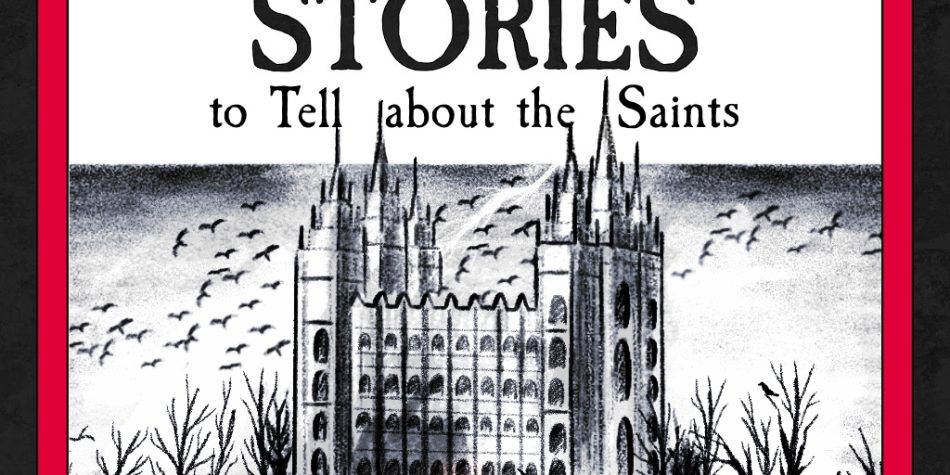
Once upon a time, a father told a gaggle of wide-eyed boys around a campfire a hair-raising story about a plague slowly spreading over the earth that changed human beings into apes. When the epic tale was over, each boy returned to the tents with a little tremble in his step and an extra glance into the shadows in the forest.
Not because there really were gorillas watching them from the trees, of course, which everyone clearly knew was make-believe. But because they had heard a spine-tingling and seductively scary story.
That’s what a fantastic tale does to us, right? It gets our head and heart into another place, conjuring up brand new feelings and mental imagery. Sometimes we like that tremulous residue left behind, and other times we don’t. But none of us would deny the powerful impact of a well-told story.
Which is why imagery and techniques of horror stories are often used in maligning and marginalizing others. Two of the hallmarks of anti-Semitism, for example, are depicting Jews with goblin-like features and as nefariously working behind the scenes. A similarly scary depiction of Christians right now is hooded nationalists.
Storying the Saints. Right now, one especially terrifying story is being told about members and leaders of The Church of Jesus Christ of Latter-day Saints. Have you heard it making the rounds?
In many different online venues, it comes up a lot. And some people have dedicated their entire lives to advancing the story. The real difference here, though, is that many people don’t even recognize this story as make-believe at all. … They really believe it!
We’ve honestly been surprised at some of the things people we love are coming to believe about us. Yet much like a Gorilla-inducing pandemic, this narrative departs from plain reality in profound ways.
In combination, this fantastic story is having the effect of convincing Americans that something monstrous is happening right below the smiley surface of an entire people of faith. This is nothing new for us, of course, with the historical record full of wild claims and hilarious portrayals of sinister Latter-day Saint leaders and desperate women jumping out of the tower of the Salt Lake Temple into the Great Salt Lake to escape polygamous husbands. (It’s a 20-mile leap.)
The scary stories continue today. On at least five different fronts, in at least five different ways, through at least five different angles, there’s a truly frightening story being advanced. It goes something like this: Those Latter-day Saint friends may seem nice on the surface … but if you look a little deeper, you will notice some ominous signs of what’s really going on:
Scary Story #1. The Saints aren’t really loving, even if they pretend to be. Whatever we might say about loving all people as Jesus taught, according to the popular scary story about us, our hearts are actually filled with disgust, hardness, and contempt towards … well, you name it: women, gay kids, the black community, for starters. Even abused kids apparently don’t get much love from us—at least not compared with other things (power and money—see below) that we presumably love more.
With the absurdity of these stories, we can’t help but wonder if someone will soon report that Latter-day Saints secretly hate puppies too.

Scary Story #2. All the many joyful truth claims about life, eternity, and God are really just deceptions—and nothing more. Whatever millions of believers throughout the ages might say about the truth claims behind the gospel of Jesus Christ—and its restoration today—it is actually all a charade and fable … never mind Hugh Nibley, Tad Callister, 11+ witnesses, new archaeological evidence for the Book of Mormon that keeps coming up, many hundreds of resurrection witnesses, and FAIR … not to mention the consistent and beautiful witnesses of our presiding leaders.

It does take a lot of trust to have such absolute belief in this scary story and categorically deny so much good. We hope you’ll think twice!
Scary Story #3. The desire to share the gospel with the world reflects motives that are far more sinister. Whatever we might say as a people about our desire to bless and uplift the whole of the human family, another scary story asserts that those leading the Church are actually driven by the same baser interests that motivate so much of human history: money, power, and control. (Don’t let the humanitarian work fool you!)
Any and all manifestation of strength and reach of the Church’s work—in downtown Salt Lake City, across America’s rural lands, or around the world—is merely additional evidence of the same darker motives. Such widespread skepticism of anything tied to religious institutions helps explain why the damning claim that our leaders care about something more than the well-being of abused children could be adopted without question by so many.

Scary Story #4. Living the gospel will make you more empty, less happy and just really stressed out. Whatever we might say about the liberating blessings of the simple teachings of the restored gospel, the actual effects in people’s lives are mostly to generate shame, guilt, and a sense of not being enough. Rather than raising fallen humanity’s sight to a pathway of exaltation and salvation, what these teachings really do is push people to deny who they really are.
Thanks to many wonderful storytellers out there, and despite clear evidence to the contrary, masses of people now have come to believe these gospel teachings (actually) increase suicidality and depression. Many others have become convinced that the Saints hate how they look and who they are even more than most—as well as being more eager than anyone else to hide sexual pleasure and deviance.

Scary Story #5. Passionate faith is ultimately pathological and predisposes violence. Whatever we might say about the goodness of strong and passionate faith, the reality—according to this next story—is that all these things actually predispose us to be aggressive and even violent towards anyone that differs from us or defies our beliefs. According to this plotline, sad extremism like the Lafferty brothers or Lori Vallow represent not sad deviations—but rather perfect instantiations and embodied distillations of the doctrine.

And there you have it—a Terrifyingly Scary Story to tell about the Saints. That smiling face of your Latter-day Saint friend is not only secretly hateful and itching to fill you with shame, but he or she is also—especially if passionate about their faith—probably on the verge of slaying you.
So, be afraid. Yes, very afraid.
We’ve had some fun with this on the Halloween holiday. But we do so to make a point at how strange and surprising it is to see so many people coming to believe things that feel so contrary to plain reality—and which misrepresent us to the world. (See also, “Turning Something Very Good Into Something Very Bad.”)
That’s our honest question for those friends and neighbors who have come to adopt these narratives: Can you look yourself in the mirror and really say, “yes, that’s a true depiction of my former brothers and sisters?”
And if not, maybe today’s a good day to reconsider. Look at us again. Spend time with us. See who we really are.
Our witness is that Joseph saw who he said he saw. And Jesus is who He says he is. The message He brought to the world brings remarkable peace and happiness to the world. We have found that. And know it. And as President Nelson summarized the “grand truth” in our most recent conference:
While the world insists that power, possessions, popularity, and pleasures of the flesh bring happiness, they do not! They cannot! What they do produce is nothing but a hollow substitute for “the blessed and happy state of those [who] keep the commandments of God.”
We recognize, of course, thoughtful questions many hold about a variety of things—all of which deserve a serious and loving conversation. But we’re confident that all the many challenging questions can be held without conjuring demons or gorillas on the other side. And we will continue to work towards space where we can do that together in the years ahead.
Happy Halloween!