It’s Time to Rethink Boundaries
All the boundary talk in America today can clearly do some good. Are there some unintended effects it also might be having on family relationships?

All the boundary talk in America today can clearly do some good. Are there some unintended effects it also might be having on family relationships?

Some emergency preparation suggestions if access to psychiatric medication becomes limited or unavailable.

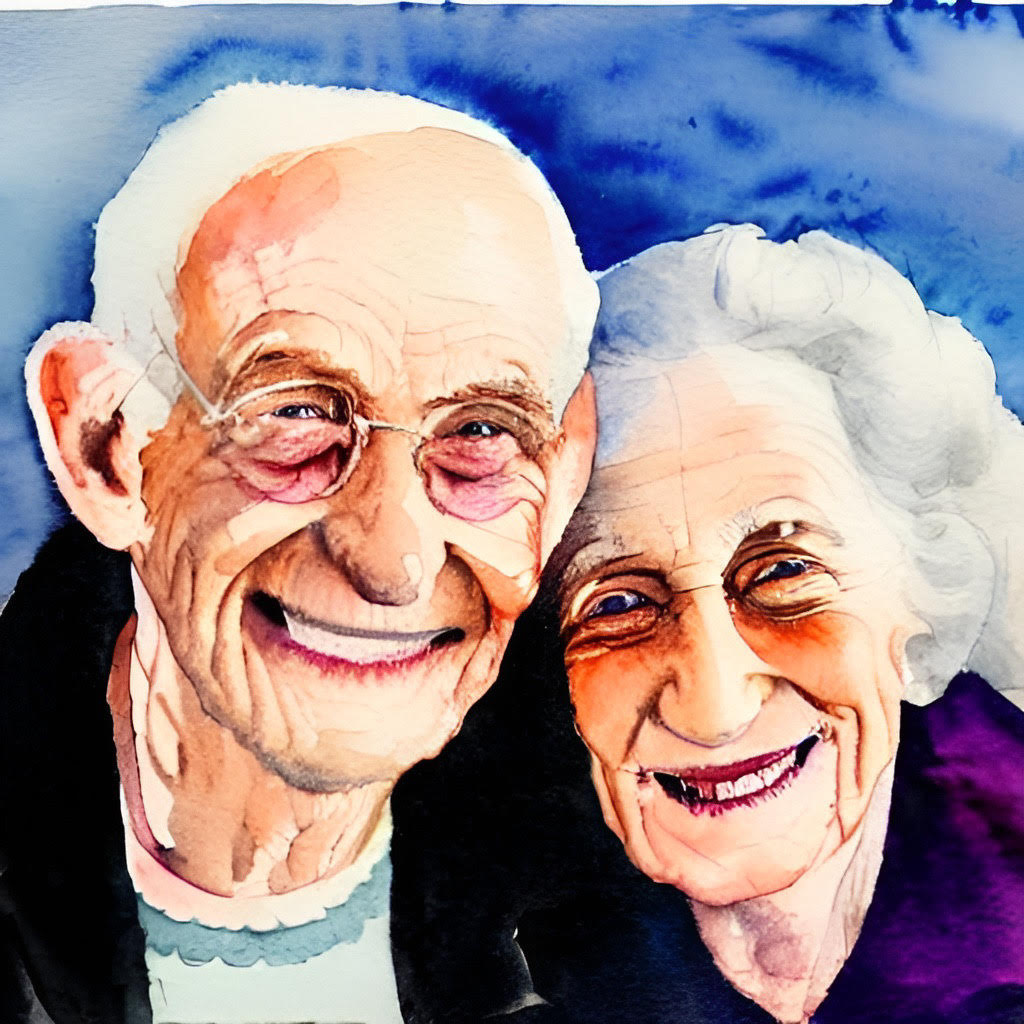
What else can we do to help prevent cognitive decline in loved ones vulnerable to dementia? Research confirms the oversized impact of continued sociality—from card games to conversations.

Growing and making changes can bring joy to life—as does finding deeper relationships. Can all this decrease emotional suffering too? What could it mean for our mental health if this became more central to our healing efforts?

The FDA approved antidepressants as helpful short-term support based on studies spanning a few months. In making longer-term decisions, it’s crucial to pay more attention to what we know from longer-term research studies.

Everyone loves to believe that psychologists approach clients through a purely neutral lens. It’s precisely this mistaken presumption that allows real-life conversions to take place unawares.

“Why can’t I just stop?!” Understanding the brain’s own learning capacities can help us answer this maddening question that comes up with any addiction. It may also help us find a way out.

Remarkable scientific advances now confirm greater hope for deeper healing among those grappling with depression and anxiety. But this can feel unsettling and even threatening to some.

As we are encouraged towards language like “pregnant person,” “birthing person,” and “menstruators” in the name of greater inclusivity, you have to wonder whether those identifying primarily as “woman” or “mother” are feeling included too?

Some of the charged responses to inexplicable tragedies like this are only understandable. And some are clearly standing in the way of both greater healing and more effective prevention of future violence.

With gender identity and transgender questions at the forefront of public discourse in recent years, the need for discerning the truth is as critical as our care for those navigating these questions.
Much has been said about the Christian nationalism present in the hate crime mass shooting in Buffalo, including by us in the Public Square Bulletin. In fact a search for “Buffalo Shooting” and “Christianity” all center on the Christianity of the shooter, whether decrying the role religion played in leading to the shooting or taking efforts to separate religion from the actions of the shooter. But little has been said about the faith of the victims and community. This is a common thread in media reporting on tragedies, focusing on the way religion influenced perpetrators, but not how it helped heal victims. Religion News Services interviewed Rev. Denice Walden about the attack, and she was able to turn the focus to just those too-often underreported questions. Walden said, “We’ve also put out a call to clergy to just be a presence in this community. Just be a presence of peace, a presence of comfort, a presence of love in this community. Because at the end of the day, that’s what’s going to help us start to process. That’s what’s going to help us start to heal.” After the climax of a tragedy has passed, and the journalists move on, those remaining are often left with the long work of healing and community building, and it’s there where religion shines.