Health
Is COVID-19 Shifting the Faultlines in America?
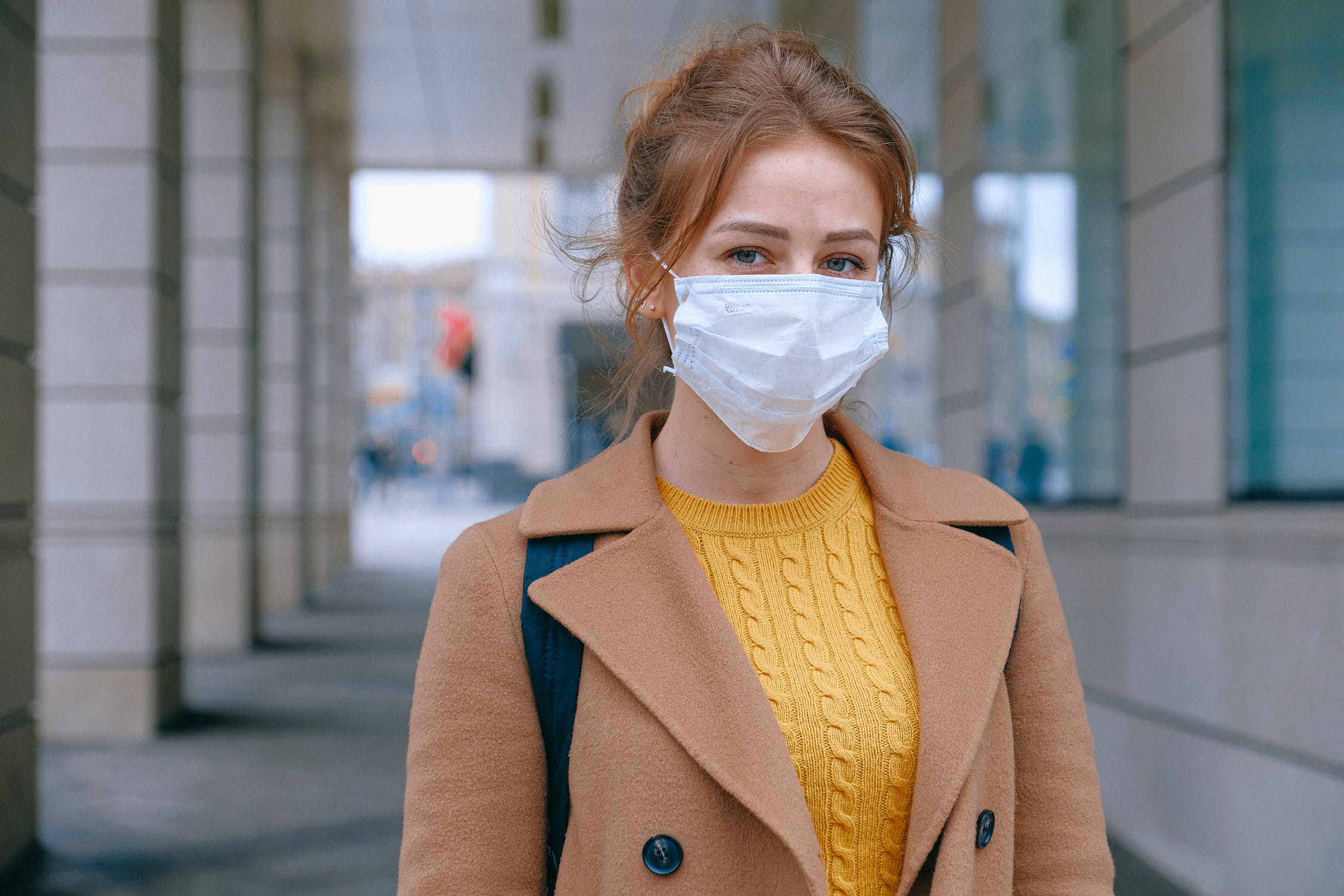
It’s hard to say anything good about COVID’s impact. But I’m about to try.

It’s hard to say anything good about COVID’s impact. But I’m about to try.

Being judged for being “judgmental” has become so commonplace we hardly think twice about it. But sound judgment says we should.

Although tolerance is believed to be a way to avoid contention, if applied incorrectly, it can be used more as a weapon than a notion of compassion.
Those critiquing J.K. Rowling and other luminaries for signing off on a letter about open debate don’t seem to appreciate the extent to which threats on a few have rippled out to influence the self-censoring and fearful silence of millions.

Serious differences generate serious discomfort for us all. Could that be why they’re so good for us?

When we free our beliefs from the constraints and obligations of truth, we lose our greatest defense against toxic polarization.

The dwindling sense of a common pursuit of truth is contributing to a deteriorating public discourse. Maybe it’s time to stand up for the truth about truth.

When issues are so important and feelings so intense and disagreements so profound, is it even possible to find unity again? Maybe if we take the lead from God’s own love for us.

When it comes to public discourse, not all conversations are equally challenging. Maybe it shouldn’t surprise us how angry disagreements about health are.
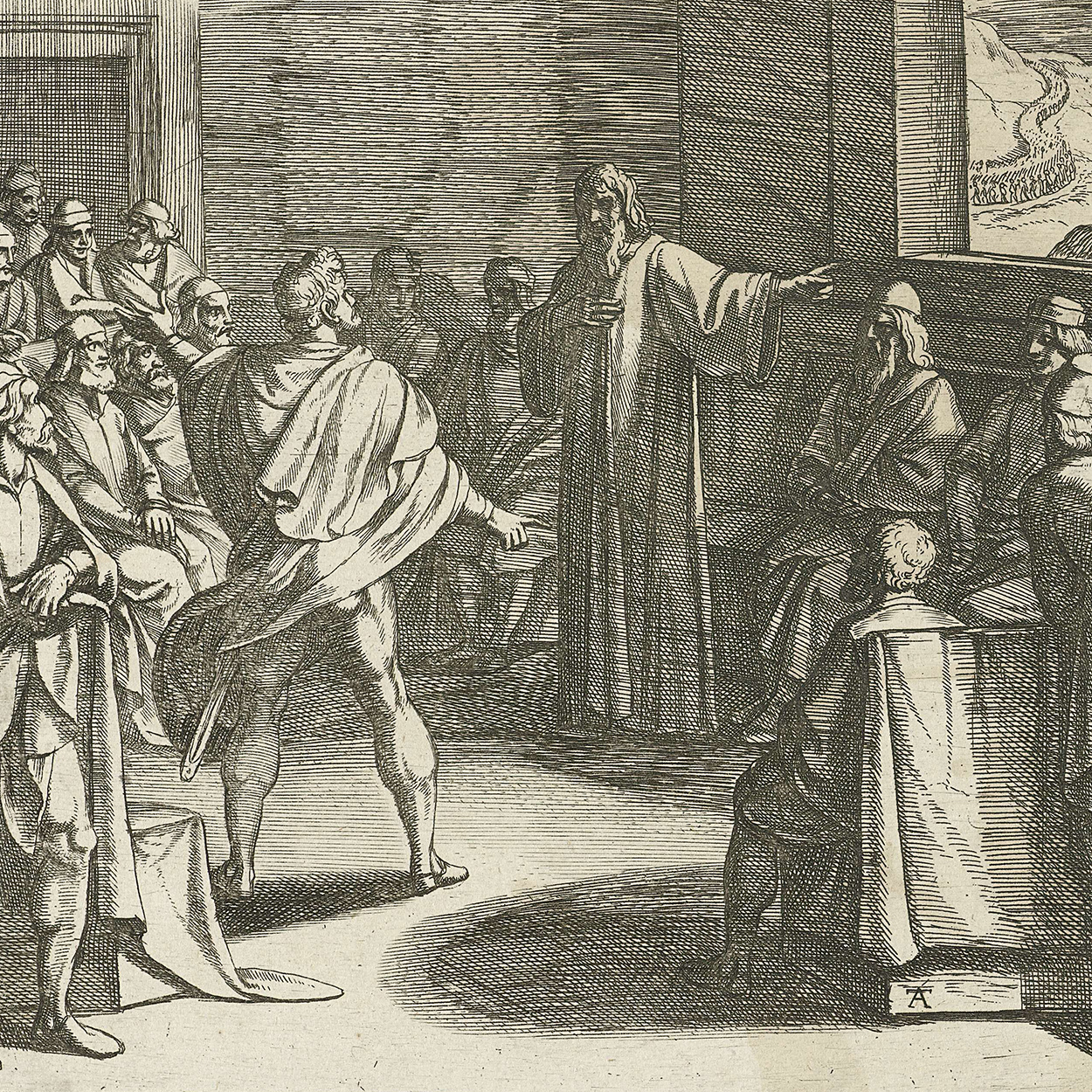
What if deeper conversation threatens my very sense of self? In most cases it is infinitely worthwhile to engage in such “rival contestation.”
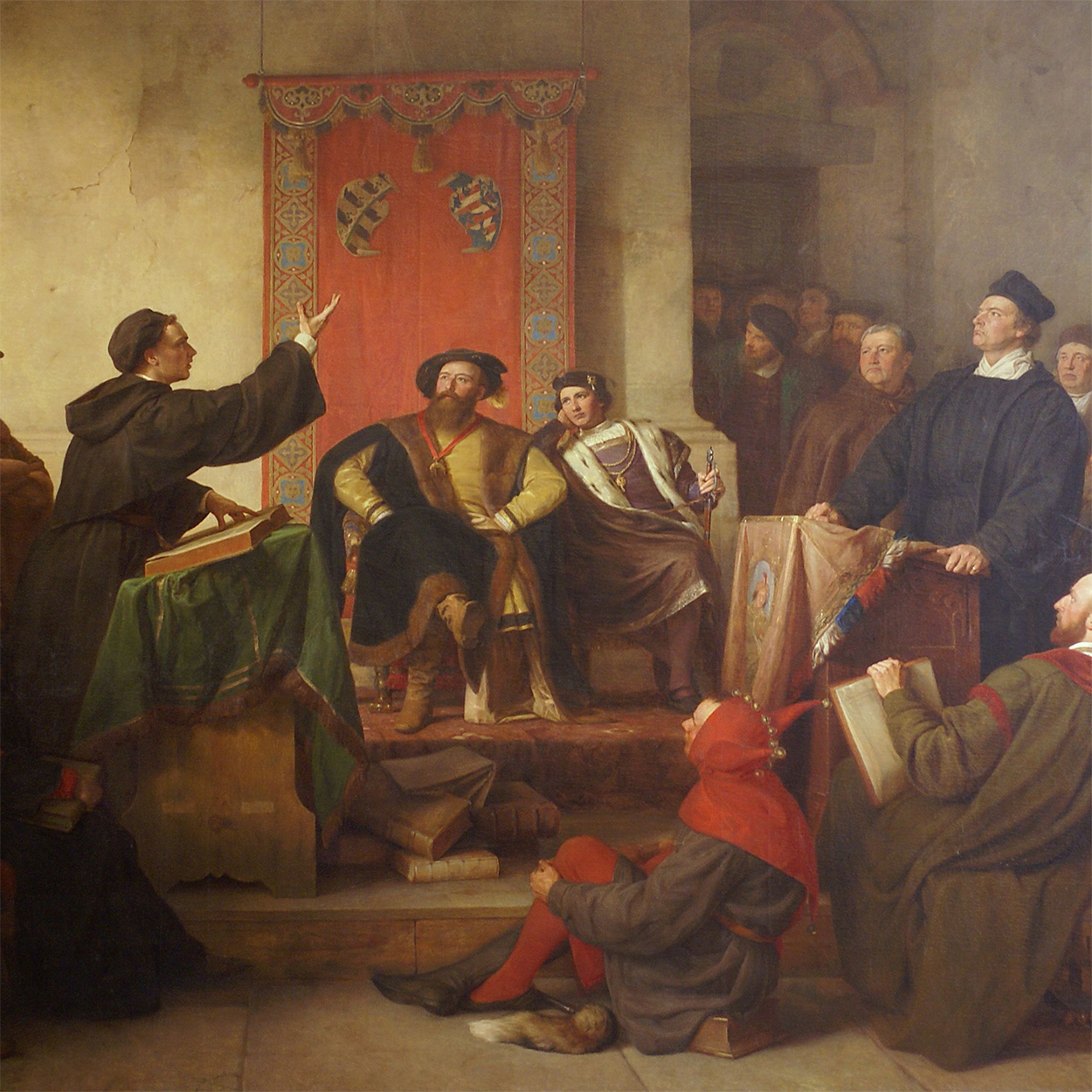
Will admonitions to be kinder, nicer, more civil, and less hateful be enough to change our pained American discourse? Or have they become part of the problem?