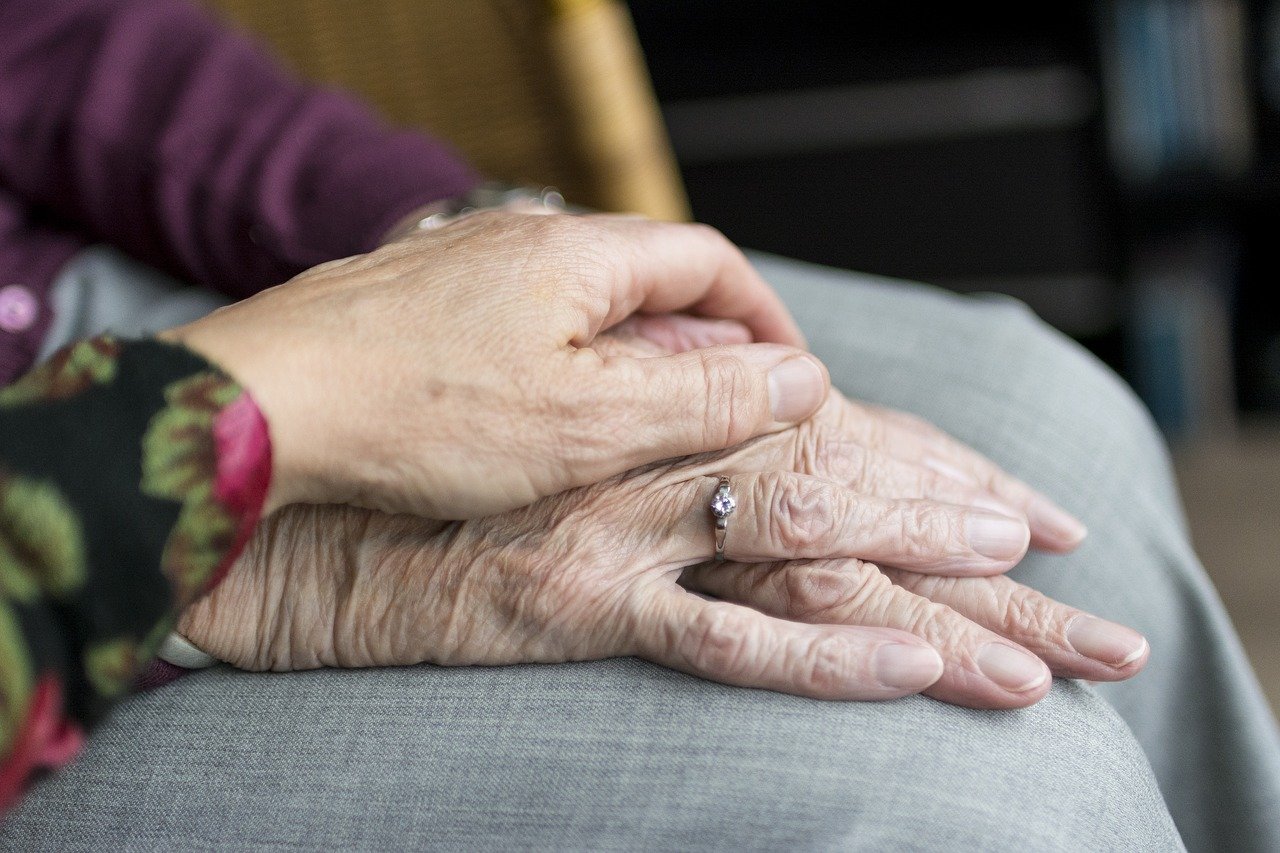
Religion as a Healer in the Media
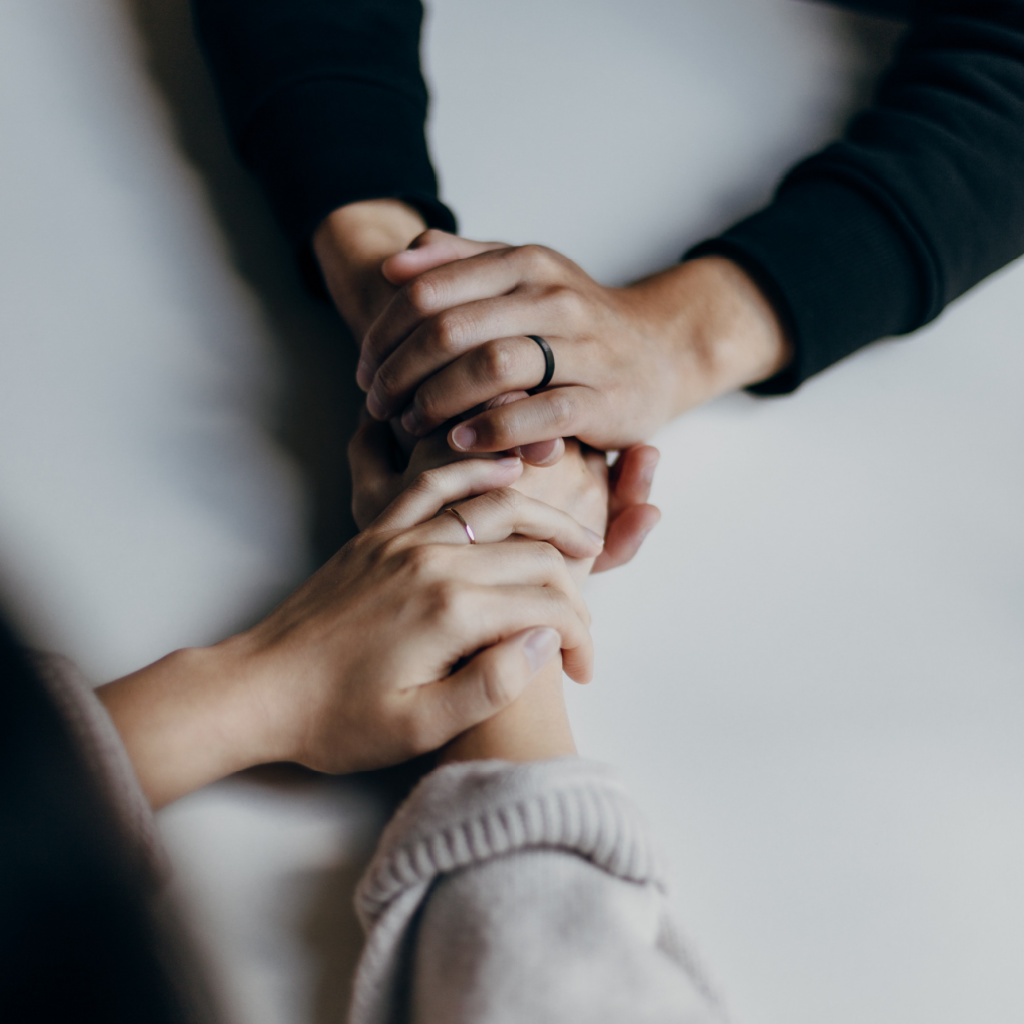
Much has been said about the Christian nationalism present in the hate crime mass shooting in Buffalo, including by us in the Public Square Bulletin. In fact a search for “Buffalo Shooting” and “Christianity” all center on the Christianity of the shooter, whether decrying the role religion played in leading to the shooting or taking efforts to separate religion from the actions of the shooter. But little has been said about the faith of the victims and community. This is a common thread in media reporting on tragedies, focusing on the way religion influenced perpetrators, but not how it helped heal victims. Religion News Services interviewed Rev. Denice Walden about the attack, and she was able to turn the focus to just those too-often underreported questions. Walden said, “We’ve also put out a call to clergy to just be a presence in this community. Just be a presence of peace, a presence of comfort, a presence of love in this community. Because at the end of the day, that’s what’s going to help us start to process. That’s what’s going to help us start to heal.” After the climax of a tragedy has passed, and the journalists move on, those remaining are often left with the long work of healing and community building, and it’s there where religion shines.