
Dialogue
Our Judgement Against Judgement
Being judged for being “judgmental” has become so commonplace we hardly think twice about it. But sound judgment says we should.

Being judged for being “judgmental” has become so commonplace we hardly think twice about it. But sound judgment says we should.

Is science an oracle of truth—revealing what we should do and how we should think—or is it an ongoing, contested deliberation about that truth?

If the purpose of education is acquiring truth, then education must take seriously the question of what truth is.
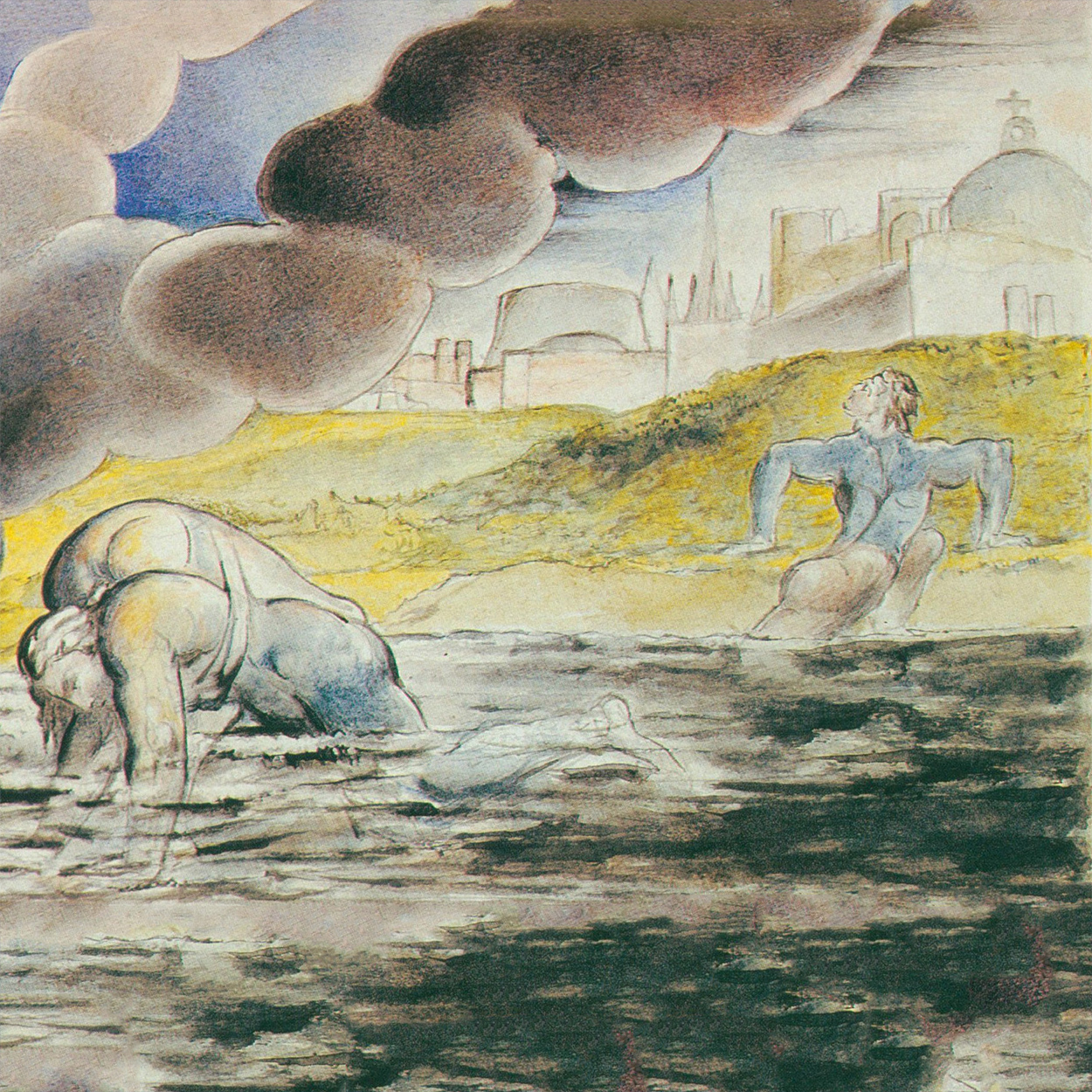
When presumptuous certainty stands in the place of a living faith, the stage is set for the shattering of one’s “faith” without typically even recognizing the hyper-fragility of what had been tightly held previously.

America was founded on the principle that “all men are created equal”. Despite calls to isolate or secede, this is worth saving.

Five books that contain sentences and paragraphs and pages full of unique ideas that move our minds, touch our hearts, and fill our souls with light.

In all the debate around appropriate accountability, reform, and policy change, far less attention has gone to how to find healing together as a people.

Provocative rhetoric has been sown in America’s discourse with an intentional aim to inflame tensions. Something similar took place in Utah in 1965.
Five books that contain sentences and paragraphs and pages full of unique ideas that move our minds, touch our hearts, and fill our souls with light.

Latter-day Saints see their faith as a receptacle of truth not just a dispenser of it, which explains the ease in finding so much that is “virtuous” and “lovely” in many traditions.